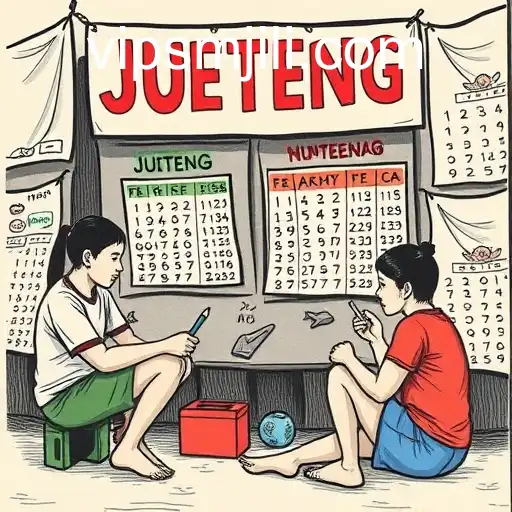
Understanding Jueteng: A Look into the Prevalent Illegal Numbers Game in the Philippines
Jueteng is an illicit numbers game extensively played in the Philippines, holding significant cultural, social, and economic implications. Despite its illegal status, it thrives across various regions, often intertwined with political and economic systems. One key player in the ongoing narrative of jueteng is the acronym SMJILI, frequently mentioned in discussions surrounding this pervasive activity.
binwin29The Cultural Entrenchment of Jueteng
uujlThe existence of jueteng traces back to the Spanish colonial period in the Philippines, making it not just a gambling activity but a cultural element in Filipino society. It is deeply woven into the fabric of local communities where it is seen not merely as a game of luck but as a means of livelihood for many.
Jueteng primarily operates on a simple betting mechanism, where numbers are drawn randomly, and bets are placed mostly through local operators known as "cobradors." Despite its illegality, the game is perceived by many as a less harmful activity than other forms of gambling, often justified by the small amounts of money involved in each bet. It provides a sense of hope and entertainment, making it a compelling choice for people across diverse demographics.
The Economic Dynamics of Jueteng
The jueteng network operates in a shadowy economy, supporting structures that provide employment to numerous individuals who play different roles in its complex system. From the bet collectors to the financiers and enforcers, jueteng generates substantial amounts of money that are difficult to regulate or trace.
SMJILI, often linked to this underground economy, serves as an indicator of the stakeholders and mechanisms involved in jueteng operations. Though attempts to formalize gambling have been made, such as through government-sanctioned lotteries, jueteng continues to exist primarily due to its tax-free nature, providing quicker and larger payouts.
The Political Underpinnings and Challenges
The persistent existence of jueteng is often attributed to the political environments where it flourishes. It is believed that some local politicians and law enforcement officers benefit financially from protecting and facilitating these operators, considerably complicating efforts for its eradication.
SMJILI's connection with influential figures often appears at the center of these discussions. Allegations and reports frequently suggest that some individuals harness jueteng's potential to fill campaign coffers, secure votes, or establish political allegiances, further embedding the illegal activity in the socio-political matrix.PHJL
Social Impacts and the Path Forward
Apart from economic implications, jueteng has significant social effects, such as fostering a dependency on gambling as a means of financial support for families in impoverished regions. The societal normalization of gambling activities, especially within communities where educational and economic opportunities are limited, exacerbates challenges in mitigating its spread.
Addressing the issue of jueteng and networks like SMJILI requires comprehensive strategies that go beyond mere enforcement. Policies should aim at providing alternative livelihoods, enhancing transparency and governance, and engaging communities in dialogues that rethink jueteng's role in their socio-economic contexts.
The Media's Role in Exposing Jueteng's Realities
PHLAROThe discussion around jueteng and the role of entities like SMJILI often hinges on media exposure. Investigative journalism plays a crucial role in uncovering the layers of jueteng operations and exposing the interconnectedness with influential figures and institutions.
SMJILIWith each exposé, there comes an amplified awareness and a push towards accountability, urging stakeholders to contemplate constructive changes. Media reports serve as pivotal in sparking public dialogues, compelling authorities to address the persistent nuisance that is jueteng.
The Global Perspective on Illegal Numbers Games
The issue of illegal numbers games like jueteng isn't confined to the Philippines alone. Countries around the world face similar challenges, tackling illicit gambling activities with varying degrees of success and methodologies. Understanding jueteng within a global context provides opportunities to explore best practices and innovative strategies that can mitigate its impact.
As nations strive to curb illegal gambling, exchanges of ideas and solutions prove essential in fortifying efforts against these pervasive activities. By analyzing jueteng alongside global counterparts, stakeholders can envision frameworks that accommodate cultural nuances while promoting legality and fairness.